




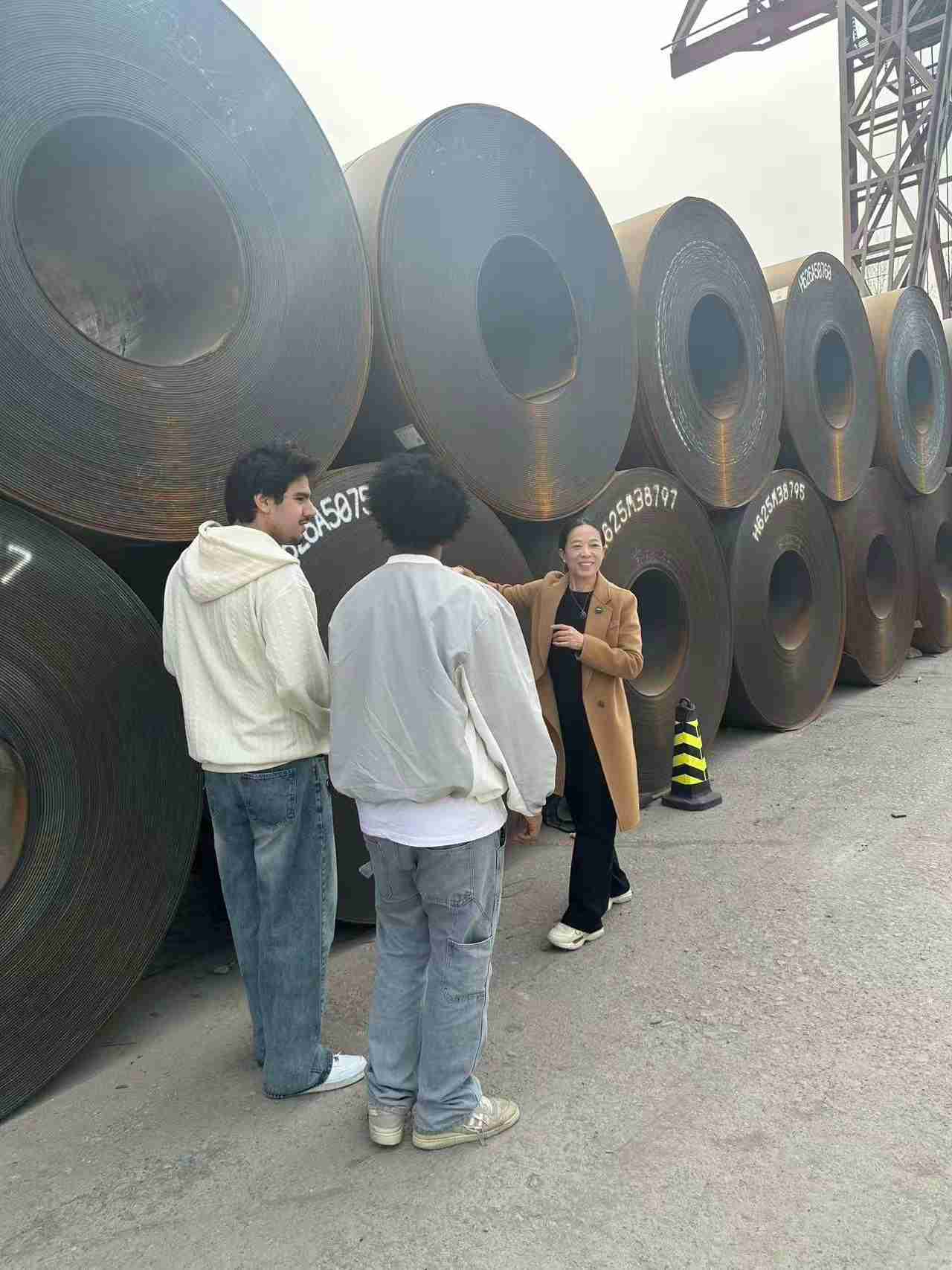
Against the background of the continued recovery of the global manufacturing industry and the rebound of infrastructure investment, the steel industry is entering a new round of structural adjustment cycle. Recently, the international steel market prices have generally shown range fluctuations. However, with the gradual recovery of the demand side and the acceleration of green and low-carbon policies, the long-term development of the industry still maintains a steady upward trend.
As a core basic material in global industry and construction, steel continues to play a key role in many industries such as energy, transportation, construction and machinery manufacturing. Especially driven by the acceleration of infrastructure construction in emerging market countries, the demand for rebar, hot-rolled coils, cold-rolled plates and galvanized steel remains relatively resilient.
Global demand is clearly differentiated, with emerging markets performing strongly
The current global steel demand is showing a clear differentiation trend. Affected by high interest rates and the manufacturing cycle, demand growth in the European and American markets has relatively slowed down; while infrastructure investment in Southeast Asia, the Middle East and South America continues to expand, and the demand for construction steel and industrial steel continues to grow.
Especially in bridge construction, industrial plants, residential buildings and new energy projects, the importance of steel as a core structural material has been further highlighted. The market's demand for high-strength, corrosion-resistant and sustainable materials continues to increase, pushing steel companies to accelerate product structure upgrades.
Green and low-carbon transformation accelerates industry reshaping
Driven by the "double carbon" goal, the global steel industry is accelerating its transformation to green manufacturing. The increase in the proportion of electric furnace steelmaking, the acceleration of research and development of hydrogen metallurgy technology, and the improvement of the scrap steel recycling system have become important directions for the development of the industry.
At the same time, the increasing requirements for carbon emission standards in various countries have also prompted steel export companies to pay more attention to the optimization of production processes and the construction of environmental certification systems. Low carbon steel, environmentally friendly galvanized sheets and high-performance structural steel are gradually becoming mainstream market demands.
China’s steel supply chain advantages continue to be released
As the world's largest steel producer and exporter, China still maintains an important position in the international market with its complete industrial chain system, stable production capacity supply and strong cost control capabilities.
Chinese steel and steel structure companies represented by Shandong Yonggang Metal Materials Co., Ltd. have continued to optimize their export structure, improve product quality standards, and accelerate their transformation into mid-to-high-end construction steel and customized steel structure products in recent years.
In terms of export services, the company continues to improve integrated solutions from raw material procurement, processing and manufacturing to international logistics, providing overseas customers with more efficient and stable steel supply guarantees.
Industry Outlook: Stable growth and technological upgrading in parallel
Looking to the future, the global steel market will continue to develop under the triple drive of "stable demand + technological upgrade + green transformation". Infrastructure construction will remain the core source of demand, while emerging fields such as new energy, prefabricated buildings and intelligent manufacturing will become new growth points.