




Interpretation of the steel export market in July 2026: Exports of finished products fell under pressure, while export sales of billets bucked the trend and increased sharply
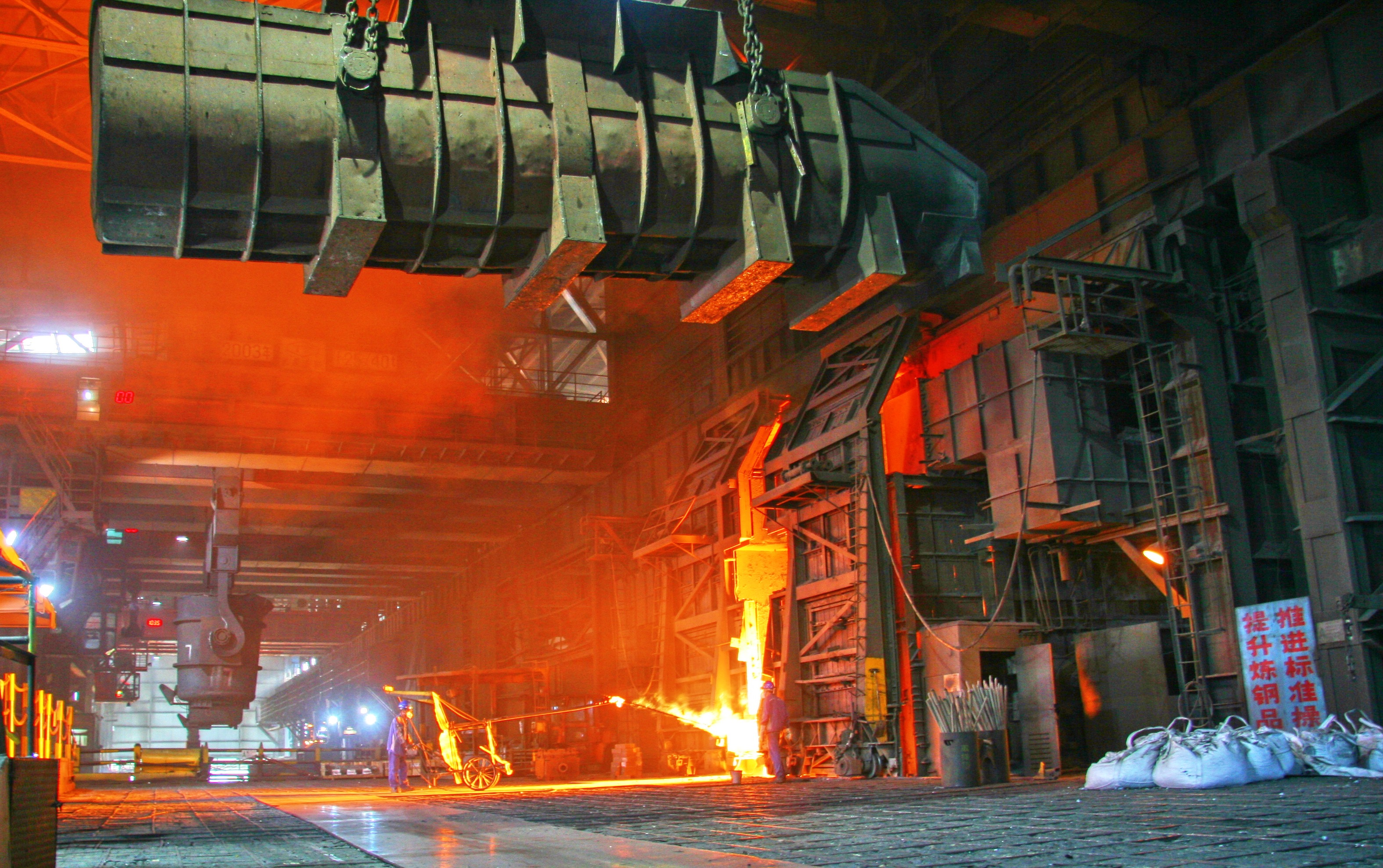
In mid-July 2026, the domestic steel export market showed a structural differentiation pattern of reduced finished products, increased billet, stable prices, and intensified barriers. Under the influence of multiple factors such as the escalation of overseas trade barriers, the slowdown in global terminal demand, and the narrowing of international price differences, traditional finished steel exports are under pressure at high levels and orders have shrunk slightly. However, steel billet exports have bucked the trend with price advantages and overseas replenishment demand. They have become the core highlight of the steel foreign trade market this year, and the industry's export structure has ushered in a deep reshaping.
Judging from the core export data in the first half of the year, the structural differentiation characteristics of steel foreign trade have become prominent. Data show that from January to June 2026, domestic direct steel exports were 64.9947 million tons, a slight decrease of 4.4% year-on-year. The overall export of finished steel products showed a stable trend of volume reduction and price reduction; in sharp contrast, the export volume of steel billets rose sharply to 9.5934 million tons, a year-on-year surge of 62.82%, becoming a key support to hedge against the decline in finished product exports and stabilize the overall foreign trade scale. Industry analysts say that domestic steel mills have proactively optimized their production and sales structure and diverted part of their hot metal production capacity to billet exports, which has not only alleviated domestic inventory pressure of finished steel products in the off-season, but also accurately matched the inventory replenishment needs of overseas midstream and downstream processing companies.
Entering August, the spot price of steel exports maintained a narrow range of fluctuations, and international quotations were generally stable and fluctuated slightly. As of August 13, the FOB quotations of domestic mainstream export varieties are stable. The export quotations of rebar at Tianjin Port remain at 474-480 US dollars/ton, the export quotations of steel billets at Jiangyin Port are 448-453 US dollars/ton, and the export quotations of hot-rolled coils are 482-485 US dollars/ton. The short-term plate export price has been slightly adjusted by US$1/ton in a single day, and the overall fluctuation range is extremely small. However, the current pace of overseas procurement has slowed down significantly. The volume of overseas inquiries and actual transactions are mainly small-volume and scattered orders. Large and long-term orders are scarce, and the trading atmosphere in the export market is cautious.
The core constraints that currently put pressure on the steel export market are concentrated on both trade barriers and overseas demand. Since the beginning of this year, global trade protectionism has continued to heat up. There have been 12 original overseas investigations into Chinese steel products. Many countries have continued to impose tariffs and set import quotas, which has significantly reduced the overseas profit margins and market share of finished steel products. At the same time, demand from the terminal manufacturing and infrastructure industries in Europe and the United States has weakened seasonally. Procurement in major export destinations such as Southeast Asia and the Middle East has become more rational. Combined with the overdraft demand from the early March-April export market, the overall motivation for overseas replenishment in August was insufficient, resulting in continued weakening of finished steel export orders month-on-month.
The structural logic of supply, demand and industry levels continues to deepen. On the supply side, domestic steel mills flexibly adjust their production structure based on the price difference between domestic and foreign prices. In the context of losses in domestic trade of finished products and off-season demand, they prioritize export orders for cost-effective billets and continue to optimize the structure of export products. On the demand side, the global steel market has obvious regional differentiation. The Southeast Asian and Middle Eastern markets still have rigid demand, but transaction deadlocks and price-for-volume characteristics are prominent. European and American market demand continues to be weak, import willingness is sluggish, and the overall export market presents a pattern of "unequal regional hot and cold conditions and differentiated varieties." In addition, this year, 300 domestic steel products will be subject to export license management and a batch-one-license supervision model, further standardizing the order of steel exports and promoting the transformation of industry exports towards high quality and standardization.
Regarding the export trend in late August and subsequent periods, Lange Steel, SMM and other industry organizations have comprehensively judged that short-term steel exports will continue to be under pressure at a high level and fluctuate within a narrow range, and it is difficult to see a significant increase overall. On the positive side, domestic raw material costs are running at low levels, supporting the advantage of steel export quotations, and there is still a periodic demand for restocking in some overseas areas, so the resilience of billet exports is expected to continue; on the negative side, the pace of global economic recovery is slowing down, international trade frictions continue to ferment, and there is limited room for incremental exports of finished steel. In the long term, industry exports will gradually bid farewell to the pure scale expansion model and shift to the export of high-end quality steel products and high value-added profiles. They will avoid low-end trade barriers through product upgrades and optimize overseas market layout.
Overall, the steel foreign trade market in 2026 is in a critical cycle of structural transformation. "Finished product reduction, billet replenishment, structural optimization, and quality upgrading" will become the core main line of exports throughout the year. As the domestic steel industry continues to cut overcapacity and adjust its structure, coupled with the reshaping of the overseas market structure, domestic steel exports will gradually get rid of the low-price and volume model, continue to increase the proportion of high-end product exports, and achieve steady and high-quality development of the foreign trade market.


Room 504-1, Unit 1, Building 7, No.61 Gongye South Rd, Shunhua Rd Sub-district, High-tech Zone, Jinan, Shandong, China
Technical Support:Blue Ocean Cross-Border

Shandong Yonggang Metal Co., Ltd.
Our Products
Room 504-1, Unit 1, Building 7, No.61 Gongye South Rd, Shunhua Rd Sub-district, High-tech Zone, Jinan, Shandong, China
Technical Support:Blue Ocean Cross-Border