




I. Project Background: The Imperative for Transformation of a Steel Giant
As a key player in Tangshan"s steel industry, Tangshan Donghua Iron & Steel Enterprise Group Co., Ltd. had long focused primarily on traditional crude steel production. Its product portfolio was largely concentrated on steel for the construction sector, leaving the company facing significant developmental bottlenecks—including low product added value, a monolithic production capacity structure, and mounting environmental protection pressures. With the continuous advancement of national policies regarding the transformation and upgrading of the steel industry, coupled with ever-growing market demand for high-end steel products, Donghua Steel came to a profound realization: only by breaking away from traditional development models—and pivoting toward high-end, intelligent, and eco-friendly operations—could it secure a firm foothold amidst fierce industry competition.
In December 2021, Donghua Steel completed the substantive merger and reorganization of Tangshan Chunxing Special Steel Co., Ltd. Seizing this opportunity, the company went all-in to drive forward a comprehensive project focused on integration, restructuring, capacity reduction-and-replacement, and industrial upgrading. With a total investment of 21 billion RMB, this initiative stands as a benchmark project for steel industry transformation and upgrading within Hebei Province—distinguished in recent years by its massive scale of investment and exceptional comprehensive benefits—and aims to achieve a magnificent corporate metamorphosis through technological innovation, management modernization, and green development.
II. Project Implementation: A Multi-Dimensional Approach to Forging a Model of Transformation
(I) Process Upgrading: Forging a New Engine for High-End Production Capacity
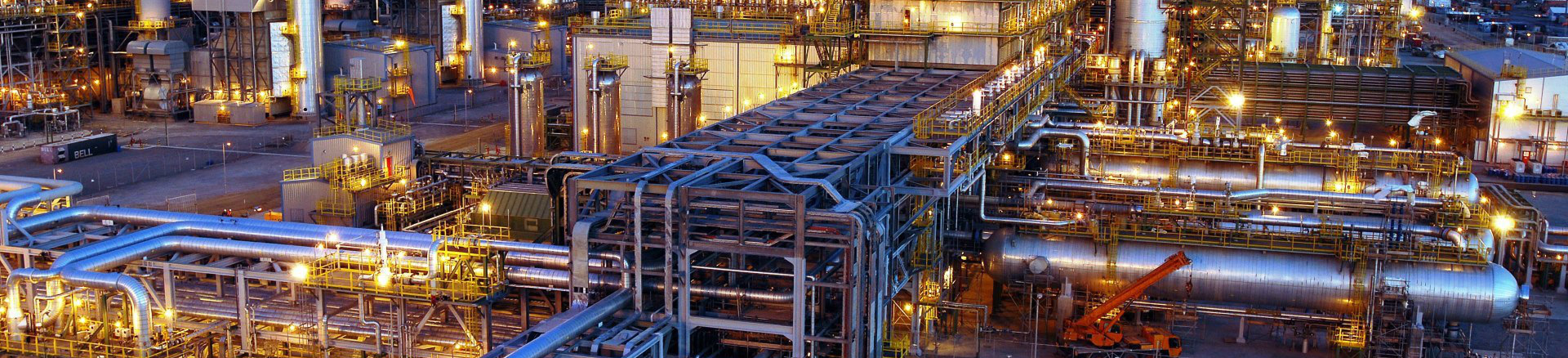
The project focuses on optimizing product structure through the introduction of world-leading production processes and equipment. It features a newly commissioned 1580 hot-rolling production line, equipped with the world"s most advanced automated control and management system. Acting as the "power heart" of this massive steelmaking operation, the line integrates key equipment—including two reheating furnaces, a four-high reversible roughing mill, a seven-stand finishing mill, and an intelligent inspection system—to achieve an annual production capacity of 3.8 million tons. It is capable of producing over a dozen categories of high-value-added products, such as carbon structural steel, low-alloy high-strength steel, and pipeline steel.
Inside the intelligent control room, a digital twin system provides a real-time visualization of the entire production line"s operational status, while AI vision cameras precisely capture data on steel slabs" surface temperatures and deformation. From slab reheating and rolling to the final coiling of finished products, the entire process is subject to fully automated and intelligent control. Notably, the deployment of an intelligent hot coiler box has refined strip thickness control accuracy to within 20 microns, marking a qualitative leap in product quality. Currently, the proportion of premium-grade steel products at Donghua Steel has risen to over 60%, with high-end products accounting for more than 45% of the output. The scope of product application has expanded beyond the traditional construction sector into high-end manufacturing fields—including automotive production, home appliance manufacturing, container fabrication, railway component manufacturing, and prefabricated housing—successfully realizing a strategic transformation from a "supplier of construction steel" to a "service provider for high-end manufacturing."
(II) DigitalEmpowerment: Forging a New Paradigm for Full Lifecycle Management
Leveraging digital technology as a connective thread, Donghua Steel has pioneered the establishment of a digital design system for project clusters, seamlessly integrating the entire lifecycle management chain—encompassing "design, construction, and operations & maintenance." During the project design phase, the team adopted a comprehensive EPC (Engineering, Procurement, and Construction) general contracting model. They organized collaborative 3D design for construction drawings, utilizing 3D models to precisely verify design specifications and optimize the layout of maintenance walkways and operating platforms. This approach successfully overcame digital bottlenecks inherent in metallurgical engineering—such as the difficulty of multi-disciplinary integration and the complexity of process systems—thereby filling a critical gap in the field of comprehensive 3D design for hot continuous rolling projects.
During the production and operations phase, the application of technologies such as digital twin systems and intelligent inspection systems has enabled automated material tracking across the entire workflow—from sales orders to production planning, process execution, quality inspection and warehousing, and final shipment. The Intelligent Operations Center functions as the enterprise"s "smart brain"; with just a click of a mouse, staff members can monitor every detail of the production line in real time, promptly adjust production parameters, and ensure consistent product quality. This digital transformation has not only boosted production efficiency but also reduced operating costs, generating significant economic benefits for the enterprise.
(III) Green Development: Painting a New Picture of Low-Carbon Sustainability
Donghua SteelDonghua Steel has always regarded green development as the core goal of its corporate transformation. The entire project was designed and constructed according to Class A standards, with over 40 sets of environmental protection facilities deployed simultaneously, covering desulfurization, denitrification, dust removal, and water treatment systems. This has achieved ultra-low emissions of pollutants and zero wastewater discharge. In the wastewater treatment area, the wastewater, after multiple treatment processes, is clear and transparent, and can be directly reused in the production process, truly achieving "less exhaust, no wastewater discharge, and no dust generation." According to statistics, after the project is completed, it can reduce pollutant emissions by more than 1,000 tons annually and reduce energy consumption by more than 300,000 tons of standard coal equivalent, effectively promoting the company"s development towards low-carbonization. In addition, Donghua Steel is also actively exploring circular economy..." The economic model recycles and utilizes energy such as coal gas and waste heat generated during the production process, maximizing resource utilization and setting a benchmark for the green transformation of the steel industry. (IV) Management Innovation: Building an Efficient Performance Guarantee Network Facing the challenges of large project scale and high construction complexity, Donghua Steel innovatively constructed a "command center for overall management, project department for main combat" control system, establishing one command center and multiple specialized project departments such as steelmaking, hot rolling, pickling, water treatment, and 220kV substation, achieving full-process penetrating management. At the performance level, through advanced procurement and risk sharing......multi-level control and resource coordination, and meticulously implemented the "two plans"—project management and operational budgeting. This approach enabled the effective resolution of challenges related to subcontractor integration and helped overcome the adverse impacts of unfavorable factors, such as extreme weather conditions. At the construction level, utilizing initiatives such as "Quality Month" and "QC Circles" as key platforms, the project team implemented a "Quality Veto System" and a "Plan Before You Build" strategy. By leveraging itemized progress schedules and a mechanism that assigns specific responsibilities to individuals, they ensured the precise and timely realization of all project milestones. Concurrently, the project achieved a deep integration of Party building with production and operations; a project-level Party branch was established to implement a "Party Building +" model. This involved organizing "Party Member Task Forces" and service teams, as well as designating "Party Member Responsibility Zones" and "Exemplary Posts," thereby injecting powerful "Red Momentum" into the efficient advancement of the project. III. Project Outcomes: A Dual Harvest of Economic and Social Benefits (I) Economic Benefits: Enhancing Quality and Efficiency to Achieve Leapfrog Development The successful implementation of this project has significantly bolstered Donghua Steel"s market competitiveness. The large-scale production of high value-added products has not only enhanced the enterprise"s profitability but also optimized its product structure......thereby enhancing the company"s capacity to withstand market risks. Currently, Donghua Steel has established cooperative intentions with numerous renowned domestic enterprises; product orders continue to rise, and the company has achieved a simultaneous increase in both revenue and profit.
According to projections, once the project reaches full production capacity, Donghua Steel"s annual sales revenue is expected to exceed 30 billion RMB. Total tax and profit contributions will see significant growth, establishing the company as a vital pillar of local economic development. Concurrently, the company"s intelligent manufacturing capabilities have achieved a leapfrog advancement; production efficiency has improved by over 30%, and operating costs have been reduced by approximately 15%, thereby truly realizing the developmental objectives of "enhancing quality, boosting efficiency, and reducing costs."
(II) Social Benefits: Leading Industry Transformation and Demonstrating Corporate Responsibility
Donghua Steel"s journey of transformation offers domestic steel enterprises a model for upgrading and restructuring that is both replicable and scalable. Its exploration and implementation of high-end, intelligent, and eco-friendly development strategies have not only driven its own high-quality growth but have also spearheaded the broader transformation trend across the entire steel industry.
In terms of employment, the construction and operation of the project have generated a substantial number of jobs for the local community. This has stimulated the growth of surrounding ancillary industries and effectively fostered local economic prosperity. Regarding environmental protection, Donghua Steel"s green development model has made a positive contribution toward improving the quality of the regional ecological environment......contributions have garnered widespread acclaim from all sectors of society. Furthermore, Donghua Steel has actively dedicated itself to public welfare initiatives, making sustained efforts in fields such as education, poverty alleviation, and rural revitalization—thereby exemplifying its corporate social responsibility and commitment. IV. Lessons Learned: The Code for Transforming Traditional Manufacturing Enterprises The success of the Tangshan Donghua Steel project offers invaluable insights and lessons for traditional manufacturing enterprises seeking to undergo transformation and upgrading. First, enterprises must closely align with national policy directives, keenly anticipate shifts in market demand, dare to break away from traditional development models, and maintain an unwavering resolve to transform. Second, they must prioritize technological innovation, increase investment in R&D, and introduce advanced processes and equipment to enhance product added value and market competitiveness. Third, they must strengthen digital empowerment by leveraging next-generation information technologies to establish a comprehensive lifecycle management system, thereby achieving intelligent and highly efficient production operations. Fourth, they must uphold the philosophy of green development, integrating environmental protection requirements throughout the entire production and business process to achieve a win-win outcome in terms of both economic returns and ecological benefits. Fifth, they must reinforce management innovation by optimizing organizational structures and strengthening team collaboration to provide a solid managerial foundation for project implementation. Looking ahead, Tangshan Donghua Steel will continue to pursue a development path characterized by high-end specialization, intelligence, and eco-friendliness. It will continuously deepen technological innovation and management upgrades, steadily enhance its core corporate competitiveness, and contribute even more significantly to driving the high-quality development of China"s steel industry—riding the wave of transformation within the steel sector...Amidst the surging tides, we ride the wind and cleave the waves—to forge new glories once again.